"Anyone can report a vulnerability. I wanted to know if I could fix one."
That question changed the way I approached cybersecurity.
When I first started learning security, I thought the goal was to find bugs. The more time I spent reading source code, reversing applications, and understanding how systems were built, the more I realized that discovering a vulnerability is only half the story. The real challenge is understanding why it exists - and how to eliminate it without breaking everything around it.
That mindset led me down a path I didn't expect. I spent countless hours exploring web applications, APIs, Linux systems, and open-source projects. Sometimes that meant reproducing exploit chains. Other times it meant writing small tools in Python or Go to automate repetitive work. Every project taught me something different, but they all had one thing in common: I wanted to understand systems, not just attack them.
Eventually, that curiosity led me to discover an improper access control flaw in the NLTK framework. Instead of stopping after proving the issue, I traced the root cause, built a proof of concept, developed a patch, and worked through the upstream review process until the fix was merged. Seeing code I wrote become part of a project used by developers around the world was one of the most rewarding moments of my journey.
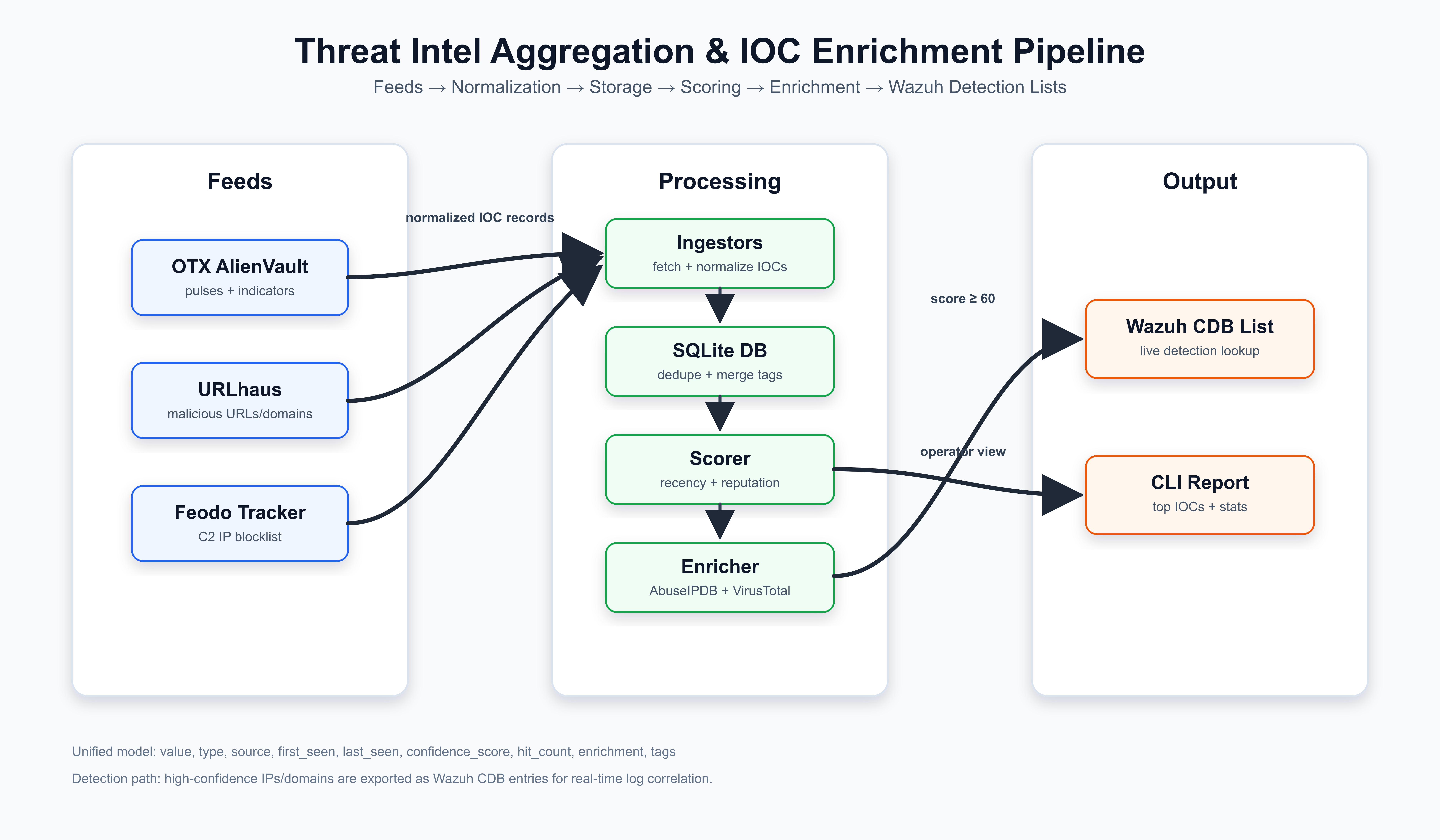
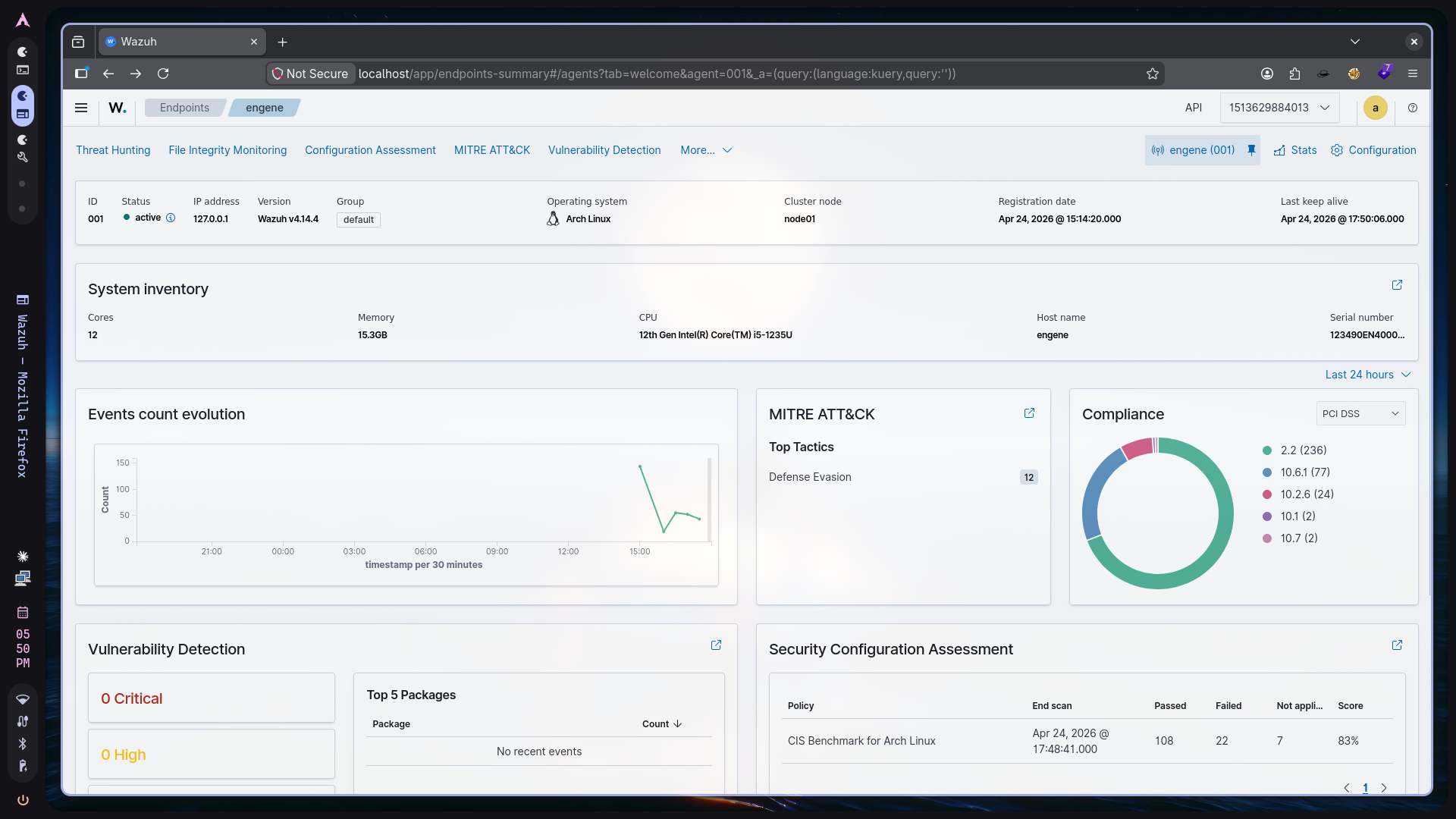
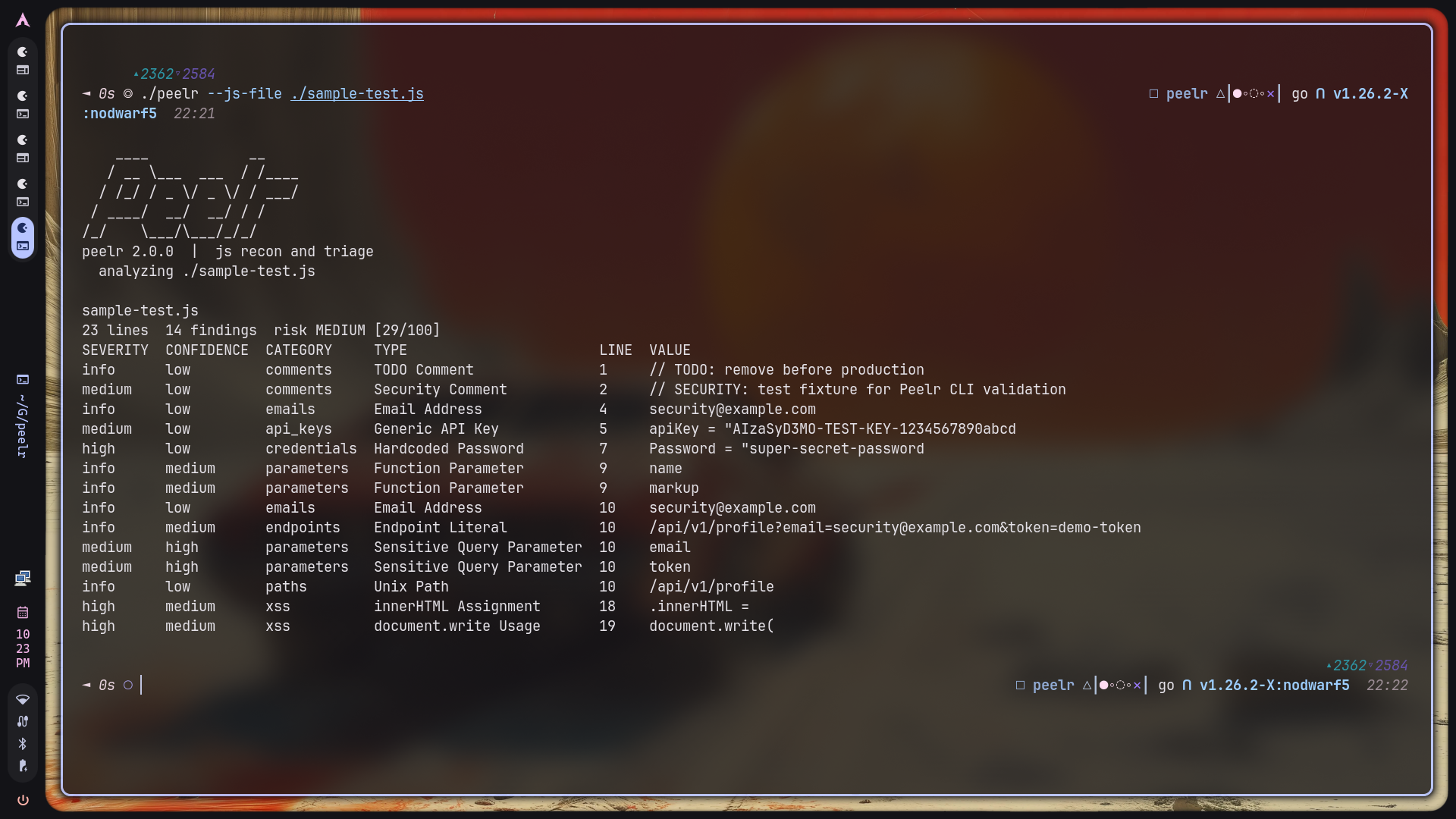
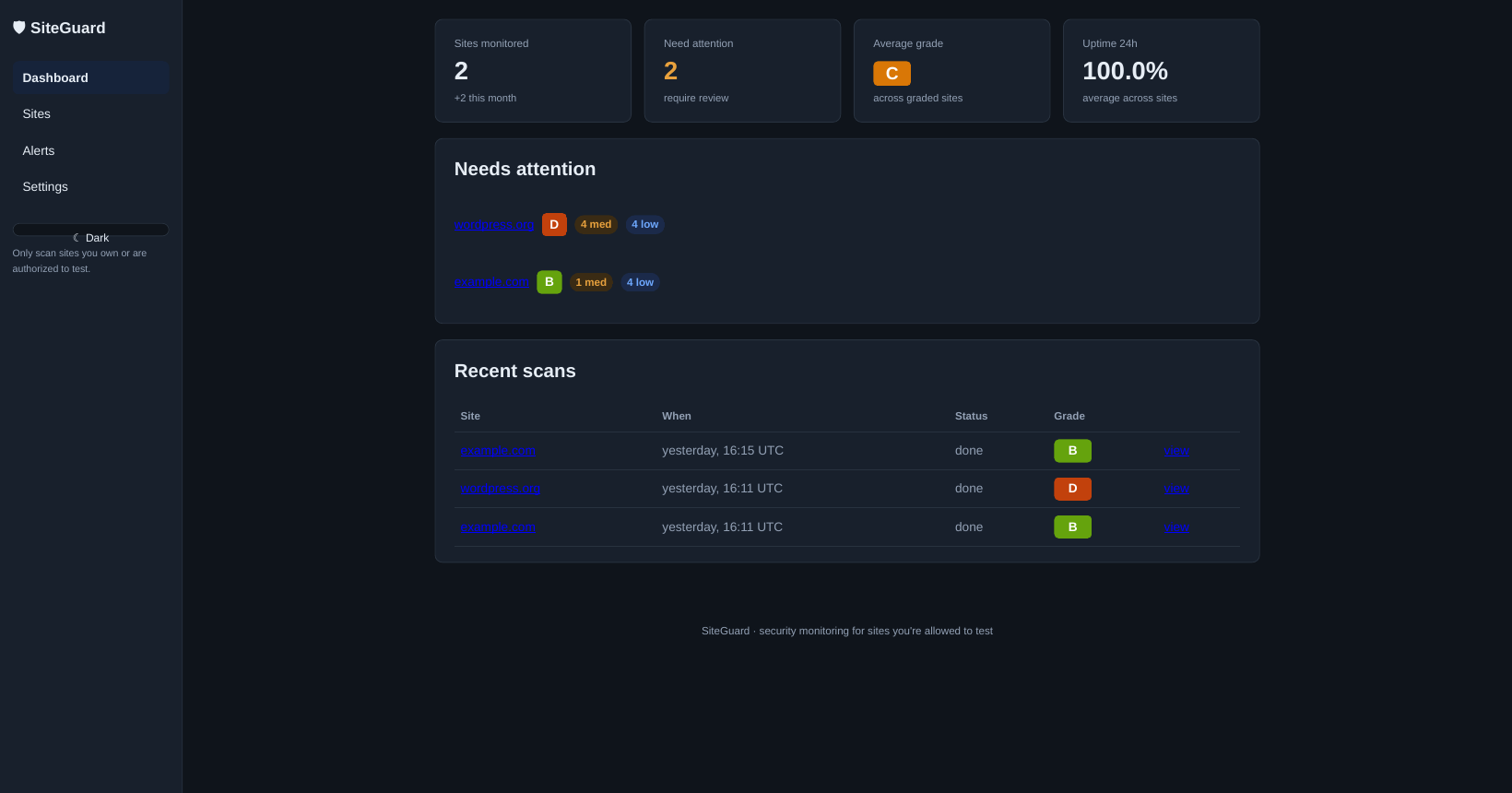
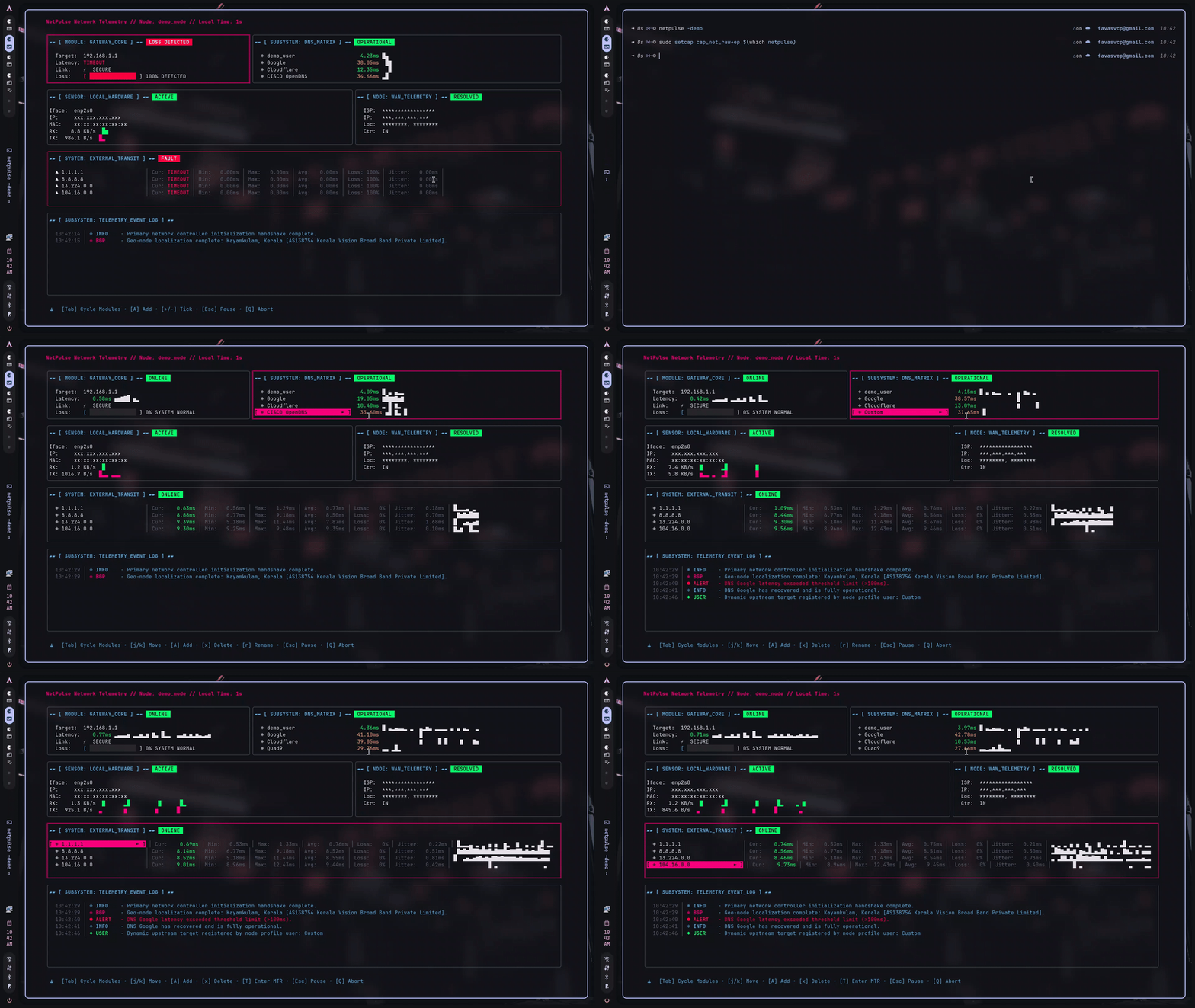
Since then, I've worked across application security, Web Application VAPT, API security, Linux hardening, and detection engineering. I've reproduced vulnerabilities in production-like environments, built threat intelligence pipelines processing over 55,000 indicators, developed lightweight security tooling, and automated workflows that make security analysis faster and more reliable.
What excites me most is working where software engineering and cybersecurity meet - reading code, understanding architecture, collaborating with developers, and helping build secure software from the inside out.
I'm still learning every day. Cybersecurity has a way of reminding you that there's always another system to understand and another problem worth solving.
Don't just find vulnerabilities. Understand them. Fix them. Learn from them.